






For RCC’s Aquatics Director Matt McCall, one conversation with a co-worker changed something he had quietly worked around for most of his professional life.
Because traditional work phones do not connect directly with his hearing aids, Matt had developed a routine. Calls were often returned from his personal cell phone, handled on speakerphone or relayed through another staff member. It worked, but it wasn’t ideal.
That changed when Matt noticed RCC’s IT Analyst Chris Higgins making a call through Microsoft Teams and asked whether the same technology might work for him. Chris immediately began looking into it and, within 24 hours, had configured Microsoft Teams and Webex Mobile so Matt’s work calls could route to his cell phone, which now connects directly to his hearing aids.
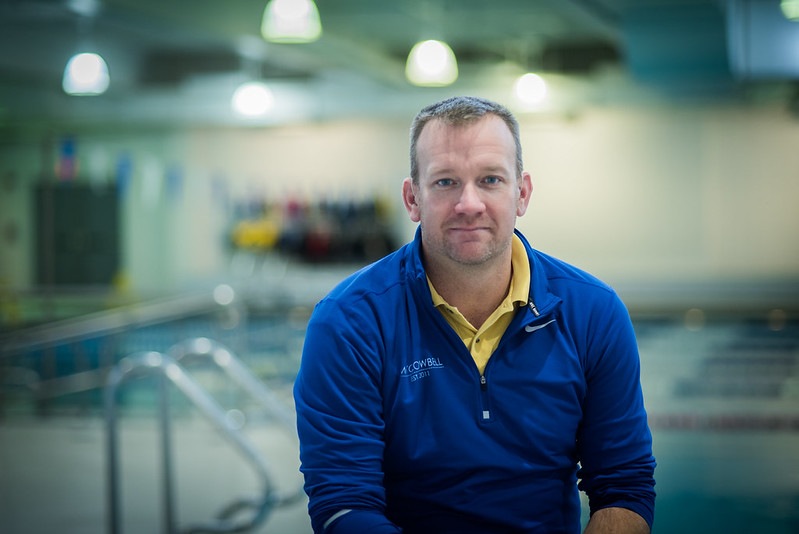 For Matt, the result was much more than a technical fix.
“It’s been life changing for me,” he said. “To have that freedom to have my own conversation with someone without a ‘relay’ is fantastic.”
Now Matt can receive work calls directly, communicate independently and keep his personal number private. Calls still appear as Fairfax County calls, giving him the same professional connection as his colleagues without the workarounds he had relied on for years.
“I feel free and ‘whole,’” Matt said. “I think it was one of the last few barriers I have faced being hearing impaired.”
Just as meaningful was the way the solution came together. Matt said his strong working relationship with Chris made it easy to talk openly about the challenges he had experienced using phones. Chris listened, explored the available tools and quickly found a solution using technology the county already had in place.
“What struck me was how excited Chris got, knowing it was something he could do to make a difference for me,” Matt said.
For Chris, the goal was simple: remove a barrier that did not need to be there.
“I was glad to assist Matt and see him overcome an issue that he should not have to deal with or work around,” he said.
RCC’s commitment to accessibility and inclusion is most visible in the way it serves patrons, but that same commitment matters just as much for the people who work here. Matt’s experience is a reminder that inclusion is not only about programs, facilities or public-facing services. It is also about creating a workplace where staff have the tools, support and flexibility they need to participate fully.
People often find ways to adapt quietly, Matt said, but the right conversation, the right resource and a co-worker willing to help can make an enormous difference.
“Sometimes solutions aren’t actively sought out,” Matt said, “but with respect, good working relationships and outstanding county resources, lives get changed quickly.”
Note: RCC’s commitment to inclusion and accessibility extends to both patrons and staff. In The Leila Gordon Theatre, RCC offers a hearing loop system with T-coil technology to help patrons with compatible hearing aids and cochlear implants hear performances more clearly. That same commitment means looking for practical solutions that ensure employees have the tools they need to communicate effectively and do their jobs fully.